
Car Wash Roofing
Car Wash Roofing gets scoped from roof evidence, operating risk, Amarillo weather exposure, and the decision the building owner needs to make.
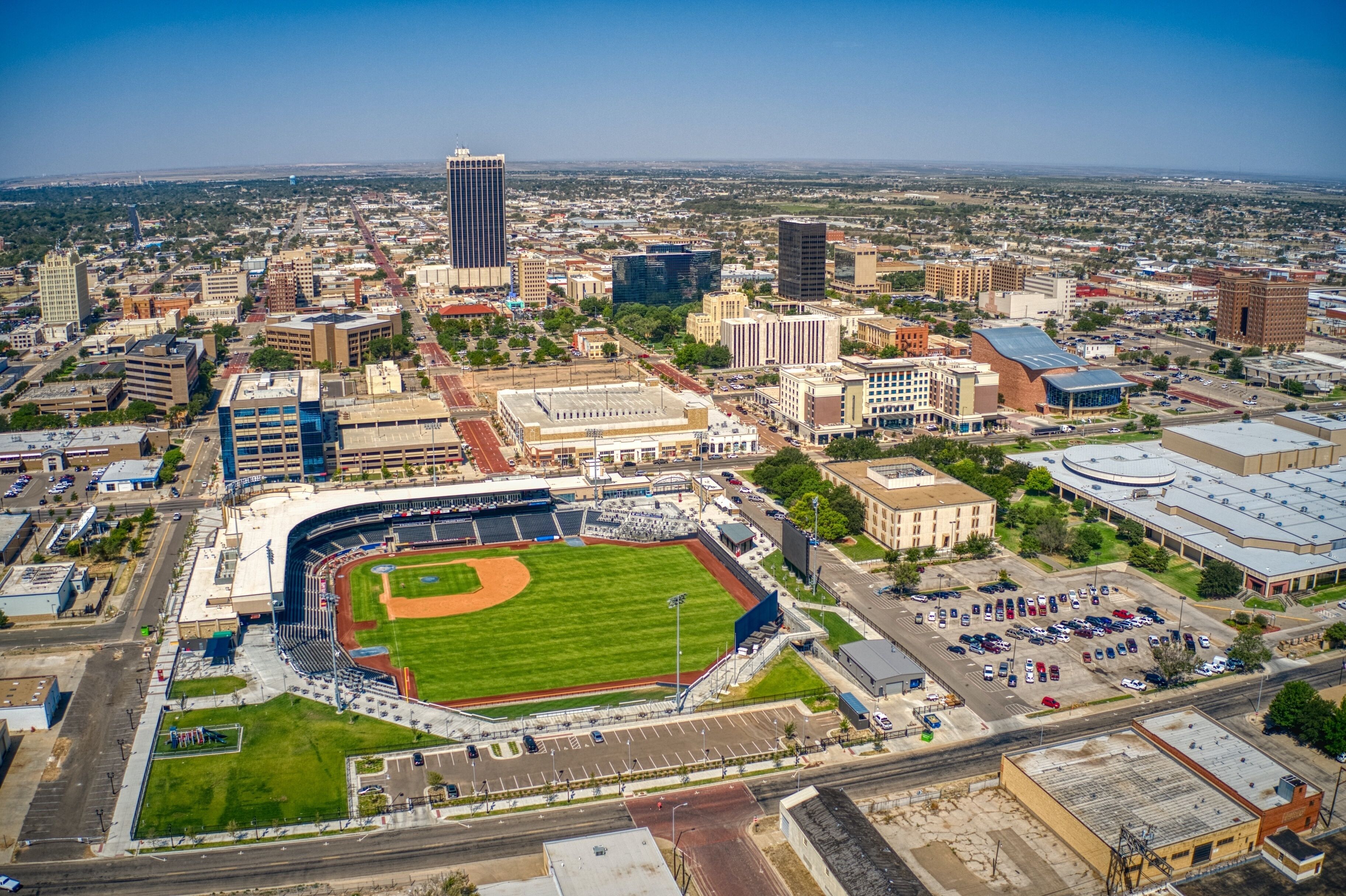
Car Wash Roofing in Amarillo, TX

A roof that has to live inside its own weather
Drive the Soncy, Coulter, and Bell Street corridors in Amarillo and you will pass express tunnels, in-bay automatics, and self-serve bays on nearly every major intersection, with newer builds clustering out toward the I-40 retail strip near Town Square Village and the growing pads off Hillside and Loop 335. A car wash is one of the few buildings where the harshest weather the roof ever sees is generated indoors. Every cycle pushes hot mist, detergent vapor, and wax fog up against the underside of the deck, and that interior climate does more damage over five years than the West Texas sun does on top.
We treat the wash building as two problems stacked on each other: a membrane fighting Panhandle hail, UV at our 3,600-foot elevation, and 60-plus mile-per-hour spring gusts from above, and a deck fighting saturated, chemically loaded air from below. Most generic flat-roof specs only solve the first one. Solve only the top and the fasteners rust out from under a membrane that still looks fine from a drone.
What the tunnel does to the structure overhead
Inside an active tunnel the air sits near 100 percent relative humidity for most of the operating day, and it is not clean humidity. Alkaline presoaks, tire-dressing overspray, drying agents, and high-pH detergents go airborne and condense on the deck, the fasteners, and the bottom of the insulation. On a steel deck that means corrosion starting at the flutes and at every screw before anything is visible on the roof surface. On a wood or gypsum deck it means the substrate quietly losing strength.
The fixes that actually hold up here are about vapor and chemistry, not just membrane thickness. We look at whether the assembly needs a true vapor retarder above the deck, whether the existing insulation is already wet from years of interior condensation, and whether the deck has corrosion that has to be addressed before anything new goes down. We core the roof to find out instead of guessing, because a wet, rusting assembly under a new membrane is a callback waiting to happen.
Membrane choice for a chemical environment
Detergents and waxes are not kind to every single-ply. We lean toward PVC for the active wash zone because its chemistry tolerates the alkaline and oily exposure that can attack other membranes over time, and we confirm the specific product against the chemical program the wash actually runs. Manufacturers publish chemical-resistance guidance and many standard warranties carry exclusions for this exact exposure, so we get the membrane, the chemistry, and the warranty language lined up before a roll comes off the truck rather than after a claim is denied.
The exhaust, the canopies, and the parts that leak first
Tunnels run big roof-mounted exhaust fans to pull steam and vapor out of the bay, and those penetrations are constantly bathed in the worst air in the building. Standard pipe boots and curb flashings do not last there. We oversize and detail every exhaust curb for continuous airflow and chemical contact, and we treat each penetration as its own assembly rather than a repeat detail.
The vacuum canopies and the customer pay-station canopy are a separate failure pattern. Out in the open they take vehicle exhaust, tire-shine overspray, and the brutal day-night temperature swings the Panhandle is known for, and the spot where the canopy ties back into the main building is the single most common chronic leak we find on Amarillo express washes. Canopy drains, gutter connections, and that transition flashing get their own attention in every scope.
Drainage on the lower-volume bays
In-bay automatics and self-serve bays generate less chemical fog than a full tunnel, but they are notorious for ponding above the equipment room and over the bays. Standing water plus our hard-driving wind and grit shortens the life of any membrane. We check the drain layout and add tapered insulation where the deck does not move water, so the roof is not holding a pond every time a storm rolls through off the caprock.
Working around a wash that never wants to close
Amarillo washes run seven days a week and the weekend after a dusty week is their busiest stretch, so we plan around the till, not against it. Tunnel-roof work gets sequenced into the early-morning or evening closed window, while exterior building and canopy work can move during the day with the vehicle lanes kept clear. Each section is dried in before we leave it, so a surprise High Plains thunderstorm never lands on an open deck above the equipment.
Let's look at your wash building
Send us the building location, the membrane type if you know it, photos of any staining or leaks, and the chemical line the tunnel runs. Whether it is an express on Soncy, an in-bay on Amarillo Boulevard, or a self-serve out near Loop 335, we will tell you whether you are looking at a targeted repair, a recover, or a full replacement built for the environment your roof actually lives in.
Car Wash Roofing Questions
Why does my car wash roof fail faster than other commercial roofs in Amarillo?
Because the damage usually starts inside. Constant tunnel humidity carries detergent and wax vapor up into the deck and fasteners, corroding them from below while the membrane still looks intact from above. Add hail, intense UV, and high spring winds on top and a wash roof simply works harder than a retail or office roof. We address both the interior vapor problem and the exterior exposure, not just one of them.
What membrane do you use over the wash tunnel?
Usually PVC for the active tunnel zone, because its chemistry holds up better against the alkaline detergents and oily wax compounds than other single-plies. We match the exact product to the chemical program your wash runs and confirm warranty coverage for chemical exposure before we install, since many standard warranties exclude it.
Can you fix the leak where the vacuum canopy meets the building?
Yes, and it is one of the most common repairs we make. The canopy-to-building transition, canopy drains, and gutter connections take constant thermal movement and overspray, and they are the first thing to leak on most Amarillo express washes. We re-flash that joint and the canopy edges as part of the scope.
Do I have to shut down to get the roof done?
No. We sequence tunnel-roof work into your early-morning or evening closed window and handle exterior building and canopy work during operating hours with the lanes kept clear. Every section is watertight before we leave it for the day.
The membrane looks fine but I have stains on the ceiling. What is going on?
That is the classic sign of interior condensation and possible deck corrosion rather than a surface leak. We core the assembly to check for wet insulation and rusting deck, then tell you whether the fix is improved vapor control and ventilation, a section of deck repair, or a full assembly rebuild.
Start a conversation
Send the building location, roof type if known, leak photos, tenant restrictions, and the timing pressure. We will help turn the roof concern into a clear next step.
Contact Commercial Roofing of Amarillo