
Automotive Manufacturing Roofing
Automotive Manufacturing Roofing gets scoped from roof evidence, operating risk, Amarillo weather exposure, and the decision the building owner needs to make.
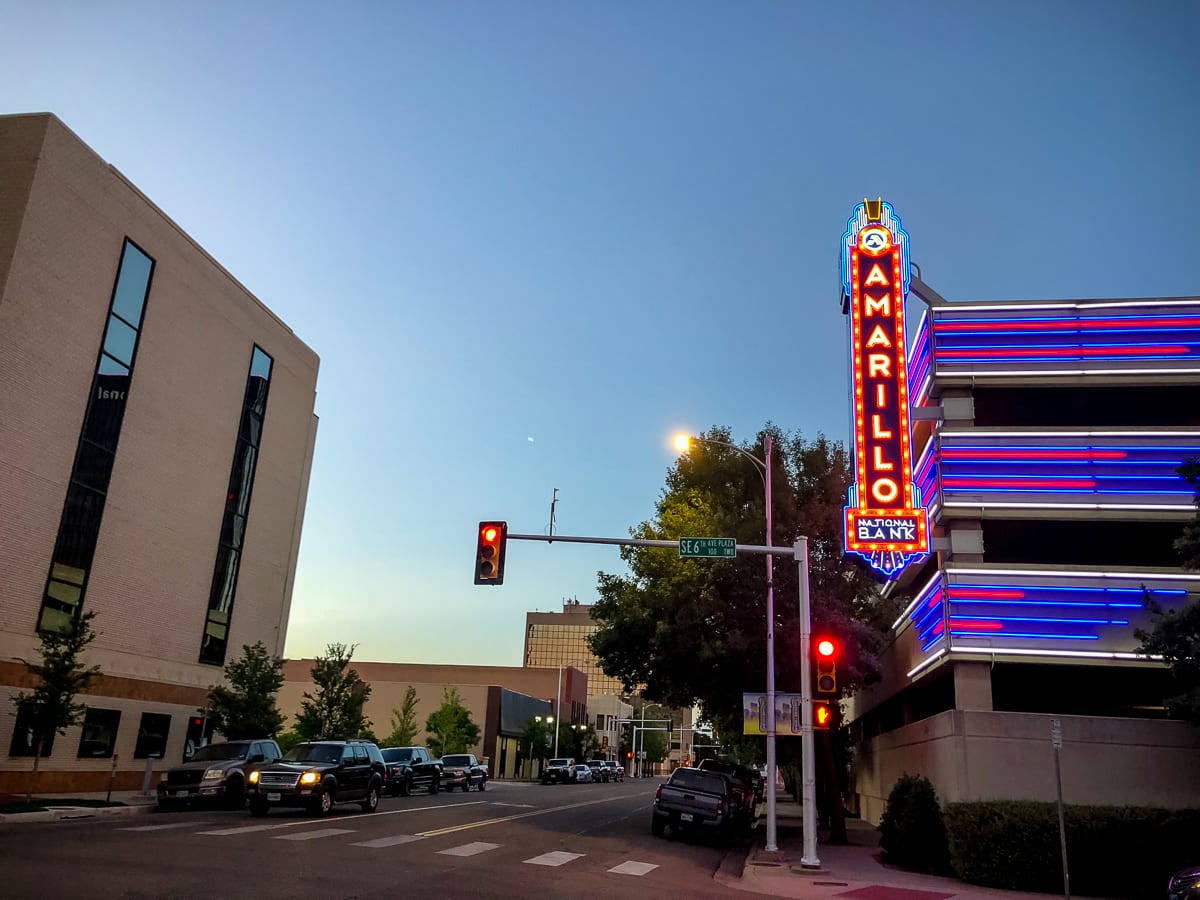
Automotive Manufacturing Roofing in Amarillo, TX

Roofs measured in acres, not squares
Amarillo has spent years building itself into a transportation-manufacturing town. The Bell assembly plant out at Rick Husband Amarillo International Airport put aircraft final assembly on the map here, the CenterPort Business Park and the rail- and highway-served sites east of the city draw vehicle, component, and heavy-equipment manufacturers, and the Amarillo Economic Development Corporation keeps recruiting the kind of large-footprint production that needs hundreds of thousands of square feet under one roof. Those plants share a roofing reality: the deck is enormous, the equipment on top is heavy and constant, and every hour of production has a number attached to it.
We roof these buildings with that number in mind. A manufacturing roof is not a bigger version of a retail roof. It is a logistics problem with a membrane on top, and the difference between a clean reroof and a production-disrupting mess is how well the work is planned before anyone climbs a ladder.
Phasing a deck this size
When a single roof runs into the hundreds of thousands or millions of square feet, you cannot treat it as one project. We section it into zones, sequence tear-off and material delivery so the staging never outruns crane capacity or storage, and keep production rolling in the zones we are not working in. Daily dry-in is non-negotiable, because an open deck over a line is an unacceptable risk when a single High Plains thunderstorm can drop hail and an inch of rain in twenty minutes. We confirm watertightness before every shift change and stay in direct contact with your facilities and maintenance leads the whole way.
Ventilation, process heat, and the loads up top
Manufacturing roofs carry a dense field of equipment: makeup-air and exhaust units pulling process heat and fumes out of the floor, dust and weld-smoke collection, compressed-air and process piping, electrical and crane-system penetrations, and on some lines large relief ventilators. Each of those is weight on the deck and a hole in the membrane. We inventory every penetration, confirm the deck can carry the loads where units are added or relocated, and detail the ventilation curbs and relief openings for continuous airflow rather than copying one boot across the roof. Where a process throws constant heat or moisture at a section of roof, that zone gets a membrane and detailing built for it.
Vibration and process-driven fatigue
Heavy presses, stamping, machining, and test operations transmit vibration up into the deck at frequencies that ordinary single-ply seams and flashings were never designed to ride out. Over a building with that kind of equipment we account for vibration in the seam and flashing design and in the welding procedures over press- and machine-adjacent zones, so seams do not fatigue and open up two years after the warranty starts.
Paint, coatings, and composite shops
Wherever a plant runs paint, coating, or composite operations, the roof above carries solvent vapor, strict fire-suppression requirements, and hot-work limits that change how we install. Torch and open-flame work is off the table over those zones. We build the hot-work plan with your environmental, health, and safety team in preconstruction and specify cold-applied adhesive or mechanically attached and fully adhered systems over paint- and process-adjacent areas instead of treating those restrictions as a surprise on day one.
Membranes, climate, and documentation
For the big open decks we usually specify thicker single-ply, commonly 60- or 80-mil, with attachment engineered to our wind exposure on the high plains, white surfacing to meet cool-roof energy requirements and cut the cooling load, and tapered insulation where drainage has gone bad over the years. Edge securement gets extra attention because sustained Panhandle wind finds the weak edge first. And because these owners run on documentation, we deliver a closeout built to a corporate facilities standard: safety qualification, roof-zone and penetration diagrams, daily reports, permit records, warranty registration, and a condition survey with photos, in the format your engineering group requires.
Tell us about the plant
Send the building location, the approximate roof area, the membrane type if you know it, your shift schedule, and a description of the rooftop equipment and any paint or process areas. Whether you run an aerospace assembly building near the airport, a component plant in CenterPort, or a heavy-equipment line on the east side, we will lay out a phased plan that protects production and the people under the roof.
Automotive Manufacturing Roofing Questions
How do you reroof a plant without stopping production?
We section the roof into zones and sequence the work so active lines stay covered while we work elsewhere. Material delivery and tear-off are paced to crane and storage capacity, every zone is dried in before each shift change, and we stay in direct contact with your facilities team. The production schedule drives the phasing, not the reverse.
Can the deck handle our rooftop ventilation and process equipment?
We inventory every unit and confirm deck capacity before adding or relocating equipment. Ventilation curbs, relief openings, and process penetrations are detailed for continuous airflow and real loads, and zones that take constant process heat or moisture get a membrane and detailing built for that exposure.
How do you handle hot-work limits over paint or coating shops?
Torch work is excluded over paint, coating, and composite zones. We build the hot-work plan with your EHS team in preconstruction and specify cold-applied adhesive or fully adhered and mechanically attached systems over those areas, so the fire-suppression and solvent-vapor restrictions are designed in, not discovered on site.
Will press and machine vibration shorten the roof's life?
It can if the roof is detailed like an ordinary building. Heavy presses and machining transmit vibration into the deck at frequencies that fatigue standard seams. Over those zones we adjust the seam and flashing design and welding procedures so seams hold up under continuous vibration.
What membrane do you use on a large-span manufacturing roof?
Typically 60- or 80-mil single-ply with attachment engineered for high-plains wind, white surfacing for cool-roof compliance and lower cooling load, and tapered insulation where drainage has failed. Edge securement gets extra attention because sustained Panhandle wind attacks the perimeter first.
Start a conversation
Send the building location, roof type if known, leak photos, tenant restrictions, and the timing pressure. We will help turn the roof concern into a clear next step.
Contact Commercial Roofing of Amarillo