
Fire Station & Emergency Services Facility Roofing
Fire Station & Emergency Services Facility Roofing gets scoped from roof evidence, operating risk, Amarillo weather exposure, and the decision the building owner needs to make.
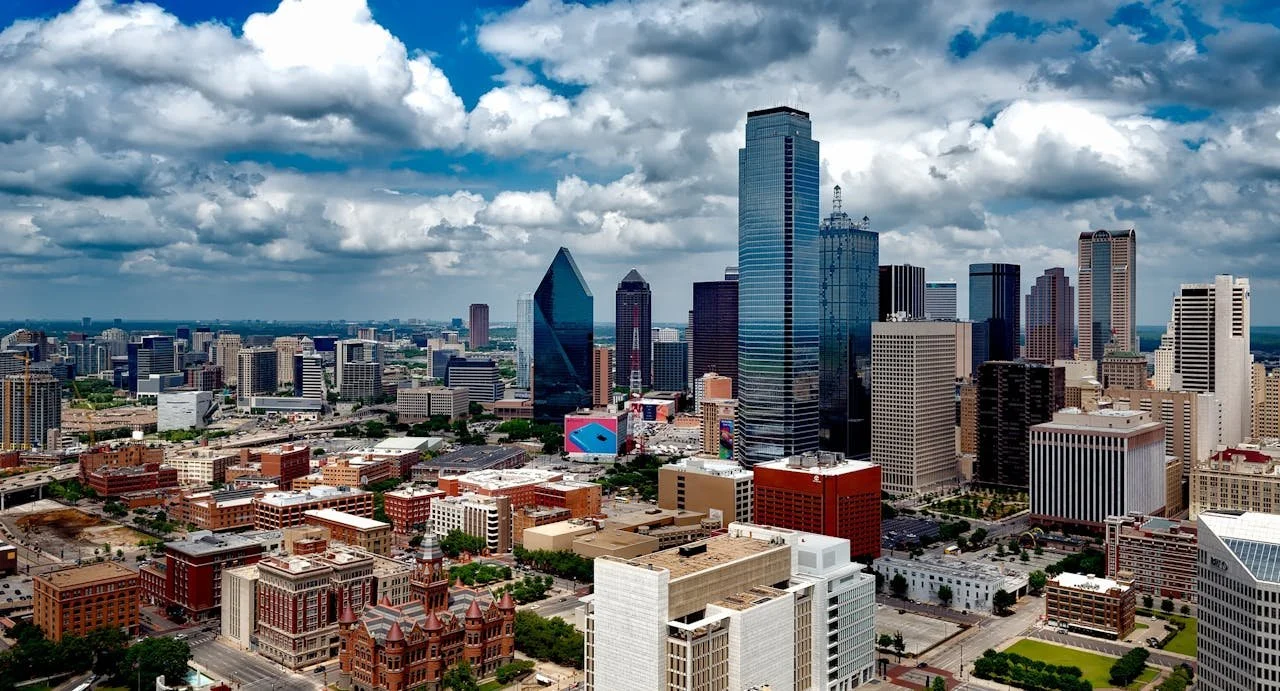
Fire Station & Emergency Services Facility Roofing in Amarillo, TX

The apparatus bay roof is the most technically demanding section of a fire station re-roofing project in Amarillo. Large overhead door openings — typically 14-16 feet tall and 12-14 feet wide per bay — create a structural transition at the bay wall that generates significant thermal movement. The bay interior is heated primarily by diesel engine exhaust from apparatus operations, and the repeated thermal cycling from apparatus return and warm-up creates a temperature differential at the bay-to-mezzanine roof transition that exceeds what standard commercial flashing details can accommodate over a 20-year service life. We design the bay transition as an expansion joint, not a standard flashing transition.
Diesel exhaust exposure is a consideration in the apparatus bay roof assembly specification. The underside of the bay roof deck is exposed to diesel combustion products from apparatus start-up and in-bay warm-up operations. Over time, diesel particulate and combustion condensate can degrade certain adhesive formulations and vapor retarder materials. We specify products for the apparatus bay assembly that are rated for exhaust-adjacent environments — not products that are appropriate for a clean-air commercial occupancy but will degrade under diesel exposure.
Historic firehouses in Amarillo — the older stations that have served their neighborhoods for generations — frequently carry architectural roofing systems: slate, clay tile, standing seam copper or terne metal. These materials age on a different timeline from modern commercial roofing systems, and their restoration or replacement requires contractors who understand both the historical material and the Secretary of the Interior's Standards for Rehabilitation that apply to designated landmark buildings. We've worked with preservation architects on historic firehouse roofing projects and have experience sourcing historically compatible materials for buildings where original materials are no longer manufactured.
Fire Station Roofing — Technical Questions
How do you design the apparatus bay roof transition as an expansion joint?
The bay-to-mezzanine transition joint is treated as a structural expansion joint with a joint seal system rated for the calculated movement range at that transition. The movement range is calculated from the bay width — the thermal movement of a 60-foot steel bay roof frame is significantly larger than the movement of a 20-foot office module frame — and from the temperature differential between the diesel-heated bay interior and the ambient exterior. We use a two-part joint cover system — a membrane base with a foam core and a metal cap — that accommodates the calculated movement without fatiguing the membrane bond.
What roof system is correct for an apparatus bay roof?
The apparatus bay roof specification must account for the diesel exhaust exposure from below and the thermal movement at the bay transitions. For flat-to-low-slope apparatus bay roofs in Amarillo, a 60-mil or 80-mil mechanically attached TPO system is the appropriate specification — TPO has good resistance to diesel exhaust condensate compared to EPDM, and mechanically attached systems tolerate the long-span deck movement better than fully adhered systems. The bay roof should be considered a separate specification zone from the administrative/crew areas of the station.
What is required for a historically designated firehouse re-roof?
Buildings on the National Register or designated as local landmarks require State Historic Preservation Office (SHPO) review before exterior material changes. For a historic firehouse with original slate or tile roofing, the review process requires a documentation submittal showing: existing conditions photography, proposed material specification with historical precedent, and a written narrative explaining why the proposed approach meets the Secretary of the Interior's Standards for Rehabilitation. SHPO review typically takes 30-90 days. We prepare the submittal package and coordinate with the SHPO reviewer as a standard service on historic public safety facility projects.
How do you handle the roof drain and overflow drain configuration on a fire station?
Fire stations typically have interior drains in the apparatus bay floor area and roof drains on the bay and mezzanine roofs. The roof drainage system at a fire station needs to keep the apparatus apron and bay floor dry — a wet bay floor is a slip hazard for firefighters working around apparatus. We confirm that roof drain outlets discharge away from the apparatus apron and bay door thresholds during the pre-bid inspection. Drain relocations required to keep runoff away from operational areas are included in our scope recommendation — not left as a post-construction observation.
What roofing system works for new fire station construction in TX?
New fire station construction in TX typically uses a TPO or PVC fully adhered system over a tapered polyiso assembly, providing the minimum required insulation under TX's commercial energy code (ASHRAE 90.1 compliance) with positive drainage designed into the tapered assembly. The apparatus bay section uses a separate specification to account for the bay's structural and thermal characteristics. We provide complete re-roofing specifications for both new construction and renovation fire station projects and are familiar with TX's public building procurement requirements for competitive bid projects.
Start a conversation
Send the building location, roof type if known, leak photos, tenant restrictions, and the timing pressure. We will help turn the roof concern into a clear next step.
Contact Commercial Roofing of Amarillo