
Food Processing Roofing
Food Processing Roofing gets scoped from roof evidence, operating risk, Amarillo weather exposure, and the decision the building owner needs to make.
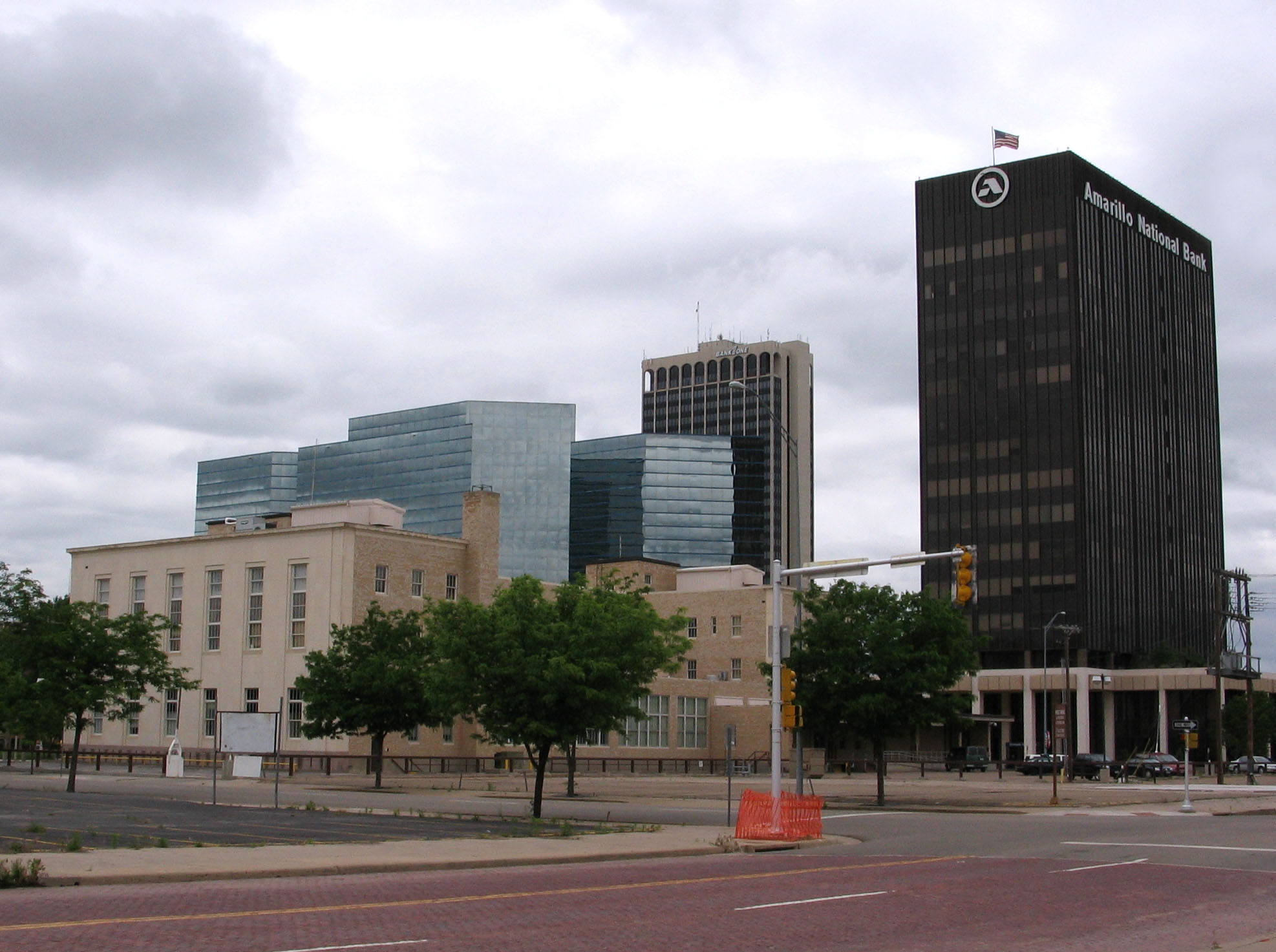
Food Processing Roofing in Amarillo, TX

Roofing for the Panhandle's food engine
Food production is one of Amarillo's defining industries. The region sits at the center of the Texas Panhandle beef economy, with major packing and processing operations driven by the Tyson Foods plant on the east side and a web of feedlots, further-processing plants, and cold-chain distribution stretching out along the I-40 and US-87/287 corridors toward Hereford, Cactus, and Dumas. These are demanding buildings to roof. Between continuous washdown, ammonia refrigeration, heavy rooftop equipment, and a production schedule that barely pauses, a food plant roof carries pressures that a typical warehouse roof never sees.
We approach a processing facility knowing the roof is part of food safety, not just weather protection. A failure over an active line is not a leak to schedule out, it is a potential product hold and a regulatory record. We plan the work to keep that from happening rather than to clean it up afterward.
Washdown from below, refrigeration on top
The interior climate of a processing plant fights the roof from underneath. High-pressure sanitation, steam, and constant washdown push warm, saturated air against the deck for much of the day, and over refrigerated rooms that warm, wet air meets a cold ceiling, which is exactly where condensation forms inside the assembly. Get the vapor control wrong and the deck corrodes and the insulation soaks through with no visible roof leak to point at, until the structure is already compromised.
So the assembly over a freezer, blast-cell, or chill room gets designed around the actual operating temperatures and the direction vapor wants to drive in our climate. That means a real vapor retarder where it belongs, insulation thickness matched to the cold room below, and tapered design that keeps water moving off the roof so it never ponds over a refrigerated space and adds load the refrigeration system has to fight. We core the roof to confirm what is already wet before we recover anything.
Heavy loads and dense penetrations
Refrigeration condensers, evaporative units, ammonia piping, large exhaust and makeup-air units, and process equipment crowd a food-plant roof and put real weight on the deck. Every one of those is a penetration that has to be individually flashed, and several of them carry vibration or constant moisture that standard details do not survive. We inventory the rooftop equipment, confirm the deck can carry the loads where we are adding or relocating units, and detail each curb and stack for its real exposure instead of repeating one boot across the building.
Membranes and materials that belong over food
Not every roofing product is appropriate above a food-production environment, and the adhesives, primers, and sealants in the flashing details matter as much as the membrane itself. We work from the facility's food-safety plan and the applicable USDA or FDA framework, confirm material acceptability with your quality team before anything is specified, and favor white reflective membranes that also cut the cooling load our intense High Plains sun puts on the building. Where solvent-based products would be a problem, we substitute compatible low-odor or water-based systems so the work itself does not create a contamination concern.
Tuned to the sanitation window
Plants out here run two or three shifts, and the weekly sanitation window is often the only time the line is down. We build the phasing around that window, not the other way around. Anything that opens the envelope over an active production area waits for the line to be down, cleaned, and protected, with your QA and facilities team signing off before we start. Each section is dried in before we leave it, because a spring thunderstorm rolling in off the caprock cannot be allowed to land on an open deck above a production floor.
We also keep an emergency response plan on file for these buildings, with a temporary dry-in priority and documentation support, so if a leak ever does threaten a line you are not scrambling to find a roofer who understands what is at stake.
Let's walk your plant
Send the building location, the membrane type if you know it, the layout of refrigerated and production areas, and a description of the rooftop equipment and exhaust. Whether you run a packing operation on the east side, a cold-storage hub off I-40, or a further-processing plant in the surrounding Panhandle, we will lay out a roofing plan that protects the product below and fits your run schedule.
Food Processing Roofing Questions
Why do food plant roofs get condensation problems even without a leak?
Warm, saturated washdown air rises against a cold ceiling over refrigerated rooms and condenses inside the roof assembly. With the wrong vapor control the deck corrodes and the insulation saturates with no visible roof leak. We design the assembly over each cold room around its operating temperature and the local vapor drive, and we core the roof to find moisture that is already trapped.
Are all roofing materials safe to use over a production area?
No. The membrane, and just as importantly the adhesives, primers, and sealants, have to be acceptable for use above food production. We work from your food-safety plan and the applicable USDA or FDA framework, confirm material acceptability with your QA team before specifying anything, and substitute low-odor or water-based products where solvents would be a concern.
Can you do the work without shutting the plant down?
Usually, by building the schedule around your sanitation window. Anything that opens the envelope over an active line waits for the line to be down, cleaned, and protected with QA sign-off. Other roof areas can progress during production, and every section is dried in before we leave it.
Can the roof carry more refrigeration or makeup-air units?
We inventory the existing rooftop equipment and confirm the deck capacity before adding or relocating units. Where loads are a concern we coordinate the layout and the insulation and attachment so the assembly handles the added weight, then flash each new curb for its real exposure.
What happens if a leak threatens a line during production?
We keep an emergency plan on file for food plants, with priority temporary dry-in and documentation support for your incident reporting. The point is that if water ever threatens a line, you already have a roofer who understands the product-hold stakes and can respond fast.
Start a conversation
Send the building location, roof type if known, leak photos, tenant restrictions, and the timing pressure. We will help turn the roof concern into a clear next step.
Contact Commercial Roofing of Amarillo