
Office Building Roofing
Office Building Roofing gets scoped from roof evidence, operating risk, Amarillo weather exposure, and the decision the building owner needs to make.
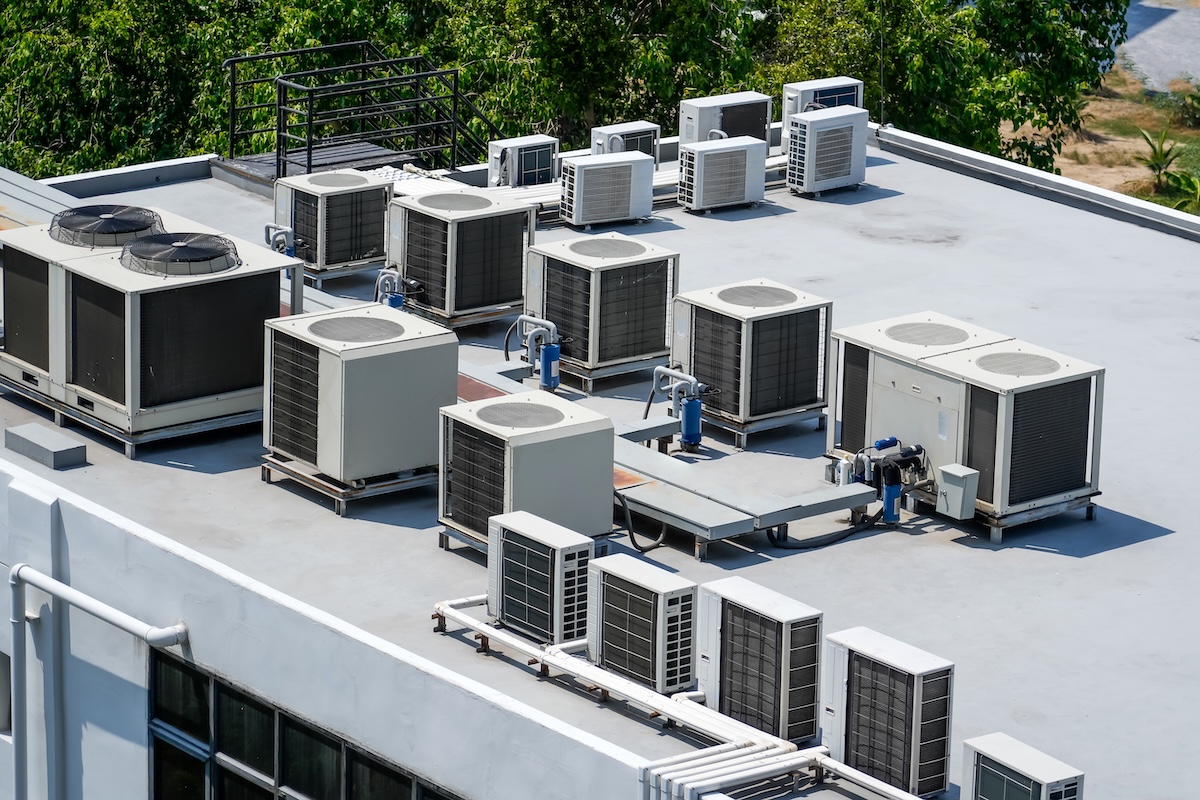
Office Building Roofing in Amarillo, TX

Xcel Energy's Amarillo division offices and the Texas Department of Transportation's Panhandle District headquarters represent the kind of Class A and Class B office buildings that anchor Amarillo's commercial real estate market and present occupied-building roofing challenges specific to the Texas Panhandle's extreme climate. The Ross-Osage corridor, Downtown Amarillo, and the Southeast business district all contain significant office inventory where roofing replacement requires the careful choreography of occupied operations and the engineering rigor appropriate for one of the most demanding climatic environments in the country.
Occupied-building protocols in Amarillo's office market involve the same fundamental requirements as any major market — tenant communication plans, staged access, crane coordination with parking management — but with the added complexity of managing work during the Panhandle's extreme weather windows. Wind events in Amarillo can halt crane operations and roof work at a moment's notice, and roofing contractors must maintain ready-to-implement emergency protocols for securing partially-completed membrane sections when forecast winds or approaching weather systems require work suspension. Tenants in occupied Amarillo buildings appreciate advance notice of potential project delays caused by Panhandle weather and expect contractors with the experience to manage these conditions professionally.
Multi-RTU HVAC coordination on Amarillo office buildings includes the rooftop mechanical density typical of commercial office development anywhere, but the Panhandle climate creates some specific complications. Units that run continuously through Amarillo's long, hot summers accumulate significant grime and biological growth on their drain pans, and repositioning these units for roofing work — even temporarily — requires coordination with HVAC contractors to avoid creating drainage problems when units are returned to service. Crane work on Amarillo rooftops must account for wind load restrictions that are more frequently limiting than in calmer markets.
Aesthetics for Amarillo's Class A office buildings often include architectural parapet treatments and mechanical screening systems that are both visual design elements and functional wind screens for rooftop equipment. The Panhandle's constant winds create design opportunities for parapet screening that serves a genuine functional purpose — reducing uplift pressure on rooftop equipment and limiting wind-driven debris accumulation on the roof surface. Roofing contractors re-roofing Amarillo office buildings coordinate the parapet flashing scope with any needed parapet repairs or screen panel replacements to complete all above-roof work in a single comprehensive project.
Texas's commercial energy code references IECC and ASHRAE 90.1, with Amarillo falling in Climate Zone 3B, requiring minimum R-20 for low-slope commercial roofs. Given the Panhandle's extreme summer heat, most Amarillo Class A office buildings specify R-25 to R-30 to protect occupants on top floors and reduce HVAC load during July and August when cooling costs are highest. White or reflective membranes contribute meaningful peak load reduction — rooftop unit efficiency improves measurably when the membrane surface beneath them is 50°F cooler than a dark surface alternative.
Reflective membranes for Amarillo office buildings deliver their most significant value during the long, intense summer season. The Panhandle receives over 3,500 annual hours of sunshine — among the highest totals in Texas — and office buildings with dark roofs absorb enormous solar energy loads during summer afternoons. ASHRAE 90.1's requirements for reflective roofing in Climate Zone 3B align with the practical energy cost reduction achieved by white TPO or aluminum-coated modified bitumen systems on Amarillo commercial buildings. Xcel Energy commercial customers in Amarillo have available demand management programs that benefit office buildings with reduced peak HVAC loads.
Hail damage to office building roofing in the Amarillo area occurs regularly, and the insurance implications differ from warehouse or industrial settings because office buildings often have skylight systems, HVAC unit panels, and architectural roofing features that suffer cosmetic or functional damage alongside the membrane itself. A thorough post-hail damage assessment on an Amarillo Class A office building evaluates the membrane, all rooftop equipment housing, skylights or roof glazing, and any architectural metal elements before an insurance claim is finalized. Roofing contractors familiar with Amarillo's insurance adjuster community can assist building owners in ensuring that hail damage documentation is complete.
Lease renewal protection in Amarillo's office market is shaped by a competitive environment in which several large tenants — including state and federal agencies, energy company offices, and agricultural business headquarters — periodically evaluate their facilities. Building owners who can demonstrate proactive roof maintenance, active warranties, and recent capital investment in the building envelope communicate credibility as long-term property stewards, which translates directly to tenant confidence in signing multi-year lease extensions.
Annual maintenance programs for Amarillo office building roofing should specifically include post-hail inspections after each significant storm, drain cleaning at both spring and fall given the Panhandle's seasonal dust accumulation patterns, and RTU curb inspection at the beginning of summer when maximum HVAC run hours begin. The combination of UV intensity, wind loading, and hail frequency in the Amarillo area means that the roof surfaces on Class A office buildings age faster than equivalent membranes in more temperate markets, making inspection frequency more important here than in most Texas cities.
- How do Panhandle wind events affect office roofing project management in Amarillo?
- Crane operations and open membrane work must be suspended when Panhandle winds exceed safe operational limits, which happens more frequently in Amarillo than in calmer markets. Experienced contractors maintain ready emergency protocols for securing partially completed work and communicate proactively with tenants about weather-related delays that are a normal part of Amarillo roofing project execution.
- What insulation R-value do Amarillo Class A office buildings typically specify?
- Texas code requires R-20 minimum for Climate Zone 3B, but most Amarillo Class A properties specify R-25 to R-30 to protect top-floor occupants from the Panhandle's extreme summer heat loads and to improve rooftop HVAC unit efficiency by reducing ambient surface temperatures beneath the equipment.
- How does hail damage assessment differ for office buildings versus warehouses in Amarillo?
- Office buildings have skylights, architectural metal, and HVAC equipment housing in addition to the roof membrane itself, all of which may suffer hail damage. A complete insurance damage assessment on an Amarillo Class A office building evaluates all rooftop components, not just the membrane, before the claim is finalized.
- Why do architectural parapets on Amarillo office buildings serve a functional purpose?
- The Panhandle's constant winds create genuine functional value for parapet screening systems that reduce uplift pressure on rooftop equipment and limit wind-driven debris accumulation on the membrane surface. Re-roofing projects on Amarillo office buildings typically coordinate parapet flashing and screen panel work to complete all above-roof scope comprehensively.
- How does Xcel Energy's rate structure affect reflective roofing ROI for Amarillo office buildings?
- Xcel Energy's commercial demand management programs benefit Amarillo office buildings with reduced peak afternoon HVAC loads. White TPO membranes reducing rooftop surface temperatures by 50°F or more contribute directly to measurable reductions in the cooling demand charges that represent a significant share of large commercial office buildings' monthly electricity costs.
Start a conversation
Send the building location, roof type if known, leak photos, tenant restrictions, and the timing pressure. We will help turn the roof concern into a clear next step.
Contact Commercial Roofing of Amarillo